
Author Archives: Ronald Thomas

Reviving the Lost Art of Reading in the Digital Age

Reading books in an era dominated by digital media is more critical than ever. Here are some reasons discussing the importance of it:

1. Enhanced Cognitive Skills: Books are a rich source of information, filled with intricate narratives and comprehensive descriptions that stimulate mental imagery and encourage critical thinking.

2. Improved Concentration and Focus: Unlike digital media, reading books requires long, uninterrupted periods of focus and concentration, helping enhancing these abilities.

3. Better Memory Retention: Books exercise the brain’s recall function as readers must remember a variety of characters, backgrounds, and plots.

4. Reduced Stress: Reading books can be therapeutic. Studies have shown that reading reduces stress levels significantly, helps in better sleep and even increases lifespan.

5. Increased Empathy: By introducing readers to diverse perspectives, books promote empathy and understanding towards others.

6. Preservation of Culture and History: Books serve as tangible artifacts preserving culture, history, and knowledge that might be lost in the fleeting digital noise.

But that doesn’t mean you should shun digital media completely. Here are a few tips on how to combine traditional reading with modern learning setups:

1. Ebooks and Audiobooks: If you’re struggling to fit reading time into a busy schedule or prefer a digital interface, try ebooks and audiobooks. They provide the same benefits as physical books and allow for adjusting type size, highlighting, bookmarking, and note-taking.

2. Online Book Clubs and Discussions: Join online book clubs or discussion forums. They are excellent places to debate interpretations, share insights, and get recommendations.

3. Utilize Educational Apps: Many apps cater to different reading levels or subjects. These can be a great tool in supplementing learning and encouraging reading.

4. Blended Learning: Use digital media to enhance what you learn from books. If a book references a certain piece of art, history, or science, take a moment to look it up and delve deeper into the topic.

5. Screen Management: Make use of digital tools which offer features like blue-light reduction or setting reading mode to reduce the strain caused by digital screens.

6. Schedule Reading Time: Designate time each day for uninterrupted reading, whether from a physical book or a digital device.

7. Use eBooks for Travel: To save space and weight when travelling, eBooks are a practical solution.

Thus, balancing both traditional reading and modern learning can yield optimal results by reaping the benefits from both approaches. It’s all about finding the right balance that works for an individual’s learning style and needs.

Mastering Flexibility: Learning Adaptability Skills in the Remote Learning Era

Adaptability is especially crucial during remote learning in college due to the unforeseen circumstances and variations in learning styles. Online learning is significantly different from traditional classroom learning, and it involves various changes in terms of self-discipline, time management, learning environment, teacher-student interaction, peer interaction, and more. Thus, to excel in this new environment, students should be able to adapt effectively.

Adaptability is important for the following reasons:

1. Online learning norms: Remote learning means being flexible to different learning environments and needs to get adjusted to new norms of learning such as online discussions, assignments, and tests.

2. Broadening digital skills: Learning tools used for remote education are likely to vary, and students should be adaptable enough to learn how to use them.

3. Self-management: In-person classes often provide structure. With online classes, students have to manage their time and routines effectively.

4. Cultural diversity: Online learning frequently involves interacting with peers from different parts of the world. Being adaptable can help students learn from diverse cultures and perspectives.

Tips to Mastering Adaptability:

1. Be open-minded: Be ready to embrace new technologies, platforms, and methods of study.

2. Develop digital competence: Develop the skills necessary to use different learning platforms and digital tools effectively.

3. Self-discipline: Create a study plan and stick to it. Incorporate a balanced schedule incorporating study time, leisure activities, and relaxation.

4. Stay motivated: Keep your goals in mind and stay motivated to learn and adapt better.

5. Effective communication: Since physical interaction is missing in remote learning, ensure to communicate effectively with professors and peers.

6. Resilience: Build resilience to manage stress and be persistent in your quest for knowledge.

Adapting to a new learning model requires persistent efforts and a positive mindset. College students need to understand the importance of adaptability and work towards building it for successful remote learning.

Harnessing College Experiences: Redefining Success in the Millennial Era

College life is more than just attending classes and passing exams. It is a transformative experience where young individuals explore their potential and develop their capabilities. It serves as a platform to initiate an individual’s path to their career, which is not only governed by academic achievements but also other essential factors such as creativity, leadership, networking, and resilience.

Understanding the intricacies of college life involves developing a balanced approach. It requires focusing on academics while at the same time participating in extracurricular activities and taking on leadership roles. Each of these activities contributes to personal growth, helping students gain a deeper awareness of their strengths, weaknesses, and passions.

Living in an era driven by innovation means that we are witnessing a significant shift in the way success is defined, especially amongst Millennials. Traditional measurements of success, such as earning a high salary or possessing material goods, are now considered only a part of it. There is a growing emphasis on factors like work-life balance, having a positive impact on society, and continuous learning.

Millennials believe they have the power to redefine success. They value creativity and believe that constant innovation is the key to success. Given the rapid technological advancements and the impact of social media, it is unsurprising that Millennials tend to favor professions that allow them to quickly adapt, continually learn, and take on various roles.

Redefining Success in this Context

Success, in the millennial mindset, is a combination of personal satisfaction, financial stability, and positive societal impact. They tend to strive for jobs that fuel their passions and allow flexible schedules more than traditional 9-to-5 jobs.

Additionally, success for millennials often involves social responsibility. They seek careers and companies that value sustainability, equality, and social justice. They resonate with the idea that their work should contribute to making the world a better place.

In the realm of academics, success is no longer just about grading systems. It’s about absorbing knowledge, practical implementation, and interdisciplinary learning.

In conclusion, college life and the millennial concept of success call for a mature, balanced, and dynamic approach. It emphasizes flexibility, social impact, personal satisfaction, and a commitment to lifelong learning — a far-reaching definition that goes beyond a certificate or a paycheck alone.

Reviving Old School Wisdom: A Fresh Perspective on Modern Health

Ancient wisdom of health and wellness, from civilizations like Ancient Greece, Rome, India, and China, revolved around holistic approaches. Ancient people believed in the connection of mind, body, and spirit and their powerful combined effect on health. Here are a few ways we can incorporate this wisdom into modern lifestyles:

1. Embrace Natural Remedies: Ancients used an array of herbs, plants, and foods as their primary medicine to prevent and treat health issues. Modern-day counterparts are adopting much of this wisdom with increased interest in natural remedies, plant diet, and herbs, resuming a preventative and holistically therapeutic approach.

2. Mind-Body Connection: Practices like Yoga and Meditation, originating from Ancient India, emphasize the power of the mind and its connection with physical wellbeing. Incorporating this practice in the modern lifestyle can increase focus, reduce stress, promote relaxation, and nurture a healthier mental state.

3. Balanced Diet: Ancient civilizations believed in a balanced diet where food was not merely seen as fuel but as nourishment for the body and mind. Incorporating the concept of balanced diets rich in fruits, vegetables, grains, and lean proteins, along with moderate exercise, can enhance physiological health.

4. Connecting with Nature: Ancient people spent more time outdoors, in nature, which helped them to harness the benefits of sunlight (Vitamin D), fresh air, and grounding (contacting the earth with bare feet). Spending more time outdoors, hiking, walking, or even just sitting in a park can immensely benefit our physical as well mental health.

5. Good Sleep Patterns: Routines and rhythms were fundamental to ancient lifestyles heavily influenced by nature—sunrise and sunset. They emphasized the importance of good sleep for a healthy mind and body. Modern life should adopt efficient sleep hygiene, maintaining regular sleep schedules and ensuring a quality rest period.

6. Traditional Exercise: Physical activities like Tai Chi, Yoga, or simple walking were the norm in ancient times rather than rigorous gym-like exercises. These activities not only improve overall fitness but also balance energy and enhance concentration.

7. Emotional Well-being: Ancient wisdom also recognised the importance of emotional health. Practices like mindfulness, gratitude, journaling, and communication were embedded into daily routines. These practices can still bring us closer to inner peace by balancing emotional turbulence.

8. Fasting and Detoxing: Many ancient religions and civilizations practiced fasting as a means of detoxing the body and mind. Adopting regular, suitable fasting or detox regimes can help flush out toxins and rejuvenate bodily functions.

Bringing ancient practices into the modern lifestyle does not mean abandoning modern medicine or advancements. Instead, it signifies blending the best of both worlds to achieve an optimized and healthier lifestyle. As each person is unique, it’s always vital to tailor these practices to individual needs and consult with healthcare professionals.

Incorporating Ancient Wisdom in Today’s Lifestyle

As we forge ahead, carving our paths in the modern world and the years beyond 2024, it is essential not to overlook the influence and validity of ancient wisdom. There are few ways better to access this well of knowledge than by delving into classical languages such as Latin and Greek. While it may seem antithetic, studying these ancient languages can offer an enriching perspective, helping us to understand and navigate the complexities of today’s society.
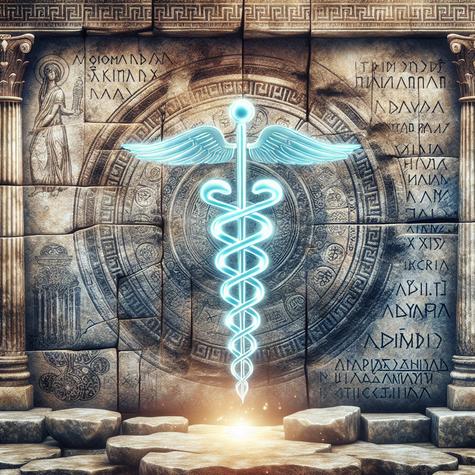
Education today, especially in the liberal arts, often underscores the significance of Greek and Latin. These languages not only serve as a window to antiquity; they form foundational pillars of Western civilization. Our understanding of philosophy, drama, history, and even scientific classifications hinge significantly on Greek and Latin. Many words and phrases in English, and indeed several other languages, have their roots in these classical languages.

One way this knowledge can be applied in daily life is by enhancing our vocabulary. Latin, for instance, underpins more than half of all English words, and Greek also contributes a large proportion. Knowing these languages can make understanding, learning, and teaching English far more manageable. It also opens up the immense literary wealth from the ancient times becoming accessible in their original forms. Although considered ‘dead’ languages, the wisdom they offer is timeless and surprisingly relevant even today.

Furthermore, having a solid background in these languages can provide a competitive edge in fields like medicine, law, theology, and science because they use a considerable number of terms derived from Latin and Greek. Notably, many standardized tests, such as the GRE and SAT, frequently use vocabulary with roots in these languages, thus, equipping oneself with this knowledge can contribute to success in such examinations.

Moreover, learning Latin and Greek can heighten understanding and appreciation for other languages, even those that are not Indo-European, such as Hebrew. Online resources, such as HebrewGarden, provide a tremendous help to those interested in expanding their linguistic horizons. By preserving and studying classical languages, we ensure a broader and more nuanced understanding of language as a whole.

Today, the world is a growing melting pot of various cultures and languages. Understanding the roots of our linguistic heritage through Greek and Latin can help fortify the bridge of understanding between different cultures and nations. It fosters a sense of common human experience and demonstrates the interconnectedness of civilization, reminding us just how much collective history shapes our present and future.

In conclusion, learning Greek and Latin is an investment into personal growth, a richer understanding of our world, our history, and our shared humanity. As we strive onwards to 2024 and beyond, let’s not forget to look back at the wisdom of the ancients, embedded so profoundly in our languages and thought. For in those echoes of the past, we might just find our way forward.

The Influence of Greek and Latin on Modern Health Terminology

Classical languages (Greek, Latin, Hebrew and Sanskrit) hold significant importance in various sectors and domains of knowledge, including the health sector. Many terminologies used in medicine are derived from these languages, and knowing them can enhance one’s understanding and interpretation of complex medical terms. This knowledge not just aids professionals in the health industry, but can also help patients to grasp their diagnoses and treatments better.

Latin and Greek are predominant in the medical field. It’s estimated that around 75% of scientific terms are derived from Latin and Greek, which includes medical terminology. Also, most of these terms have standard definitions, thus amid linguistic diversity, it allows for clear communication among health professionals worldwide. For instance, the medical term ‘Hepatitis,’ is derived from Greek roots, ‘hepar,’ meaning liver, and ‘itis,’ meaning inflammation. Therefore, knowing these roots, one can significantly comprehend the term’s meaning as inflammation of the liver without much difficulty.

But it’s not just Latin and Greek that have contributed. Hebrew, an ancient Semitic language, has also significantly influenced medical lexicon. Websites like [HebrewGarden](https://hebrewgarden.com/) provide unique insights into the roots, meanings, and realization of Hebrew words, which can further improve our understanding of certain medical terms.

Sanskrit, too, plays an essential role, specifically in the field of alternative medicine, like Ayurveda. Ayurvedic terminology, composed largely of Sanskrit words, is being increasingly used by healthcare professionals due to the growing popularity of alternative healing methods worldwide.

In conclusion, providing importance to classical languages in healthcare sectors can enhance understanding and communication efficiency. A deeper understanding of these languages not only helps simplify complex terminology but also reduces the likelihood of misinterpretation. It essentially bridges the gap between different cultures and languages, creating a truly universal healthcare language. Knowledge of classical languages, hence, becomes not just a professional advantage but an integral tool in providing comprehensive healthcare worldwide.

Navigating College Life in the Digital Age

In the era of technology and AI, traditional college experiences are undergoing a significant transformation. Thinking back on what college was like a few decades ago, the evolution is striking. Learning is no longer restricted to the confines of classrooms and textbooks. The prevalence of online classes, virtual reality-based projects, and AI-assisted studies has expanded the capacities of traditional learning methodologies.


One of the most profound alterations in the college experience is the shift towards virtual classrooms. With AI and technology, students now have the luxury to attend lectures from any corner of the world. This democratized access to education tears down geographical barriers and enables a student sitting in a distant town or country to enroll in their dream course. This digitized approach also persuades students to be self-directed and accountable for their own studies.

Another typical change is the profound influence of technology in the way coursework and projects are designed. Earlier projects often required physical models or presentations. However, with the advent of VR and AI, students are now creating virtual models and simulations. For example, architecture students use technology to design 3D models of buildings instead of physical miniatures.

While traditional college experiences are changing, students can embrace this shift and make the most out of it. First up, leverage the accessibility that technology bestows. With countless resources available online, learning has become simpler than ever. You can subscribe and learn from numerous educational platforms.

Secondly, understand the indispensability of technology in today’s professional world. By familiarizing yourself with tech tools and platforms during your college years, you prepare yourself for future jobs. This involves learning software related to your field of study – like engineers mastering CAD software.

Finally, developing a worldwide network is also crucial. Technology enables students to connect with people from various parts of the world. Engage in collaborative projects or join international forums for discussions and ideas exchange.

While adjusting to these changes might seem overwhelming, remember that there are many resources online to aid you. One such useful guide about online learning and modern education trends is available on HebrewGarden.

In conclusion, the evolution of traditional college experiences towards a tech-driven model is inevitable in this progressive era. Therefore, it becomes essential for students to adapt and make the most of these changes to increase their prospects of a promising professional future.

Boosting Mental Health: Mindfulness Techniques for College Students

Mental health is a key facet of overall well-being, especially for college students. This dynamic group of young adults is in a transformational stage of life, facing numerous challenges such as rigorous academics, identity development, relationships, career decisions, and potential financial hardships. Amidst such pressures, maintaining good mental health is crucial to ensure academic success as well as a balanced personal life.

Impaired mental health in college students can lead to detrimental effects such as decreased academic performance, low self-esteem, substance abuse, eating disorders, and in severe cases, suicide. Furthermore, chronic stress and anxiety can also contribute to physical health problems such as cardiovascular diseases, obesity, and digestive disorders.

Given this substantial impact, mental health awareness and self-care practices should be a central part of a student’s life. One effective method to manage stress and enhance mental health is through mindfulness techniques.

Mindfulness is the conscious awareness of our current thoughts, feelings, bodily sensations, and surrounding environment. Regular practice of mindfulness can calm the mind, reduce stress and anxiety, enhance cognitive skills, and develop emotional resilience.

Here are a few mindfulness techniques that are simple, effective, and convenient for college students:

1. Mindful Breathing: Focusing on each breath coming in and going out can help anchor your mind in the present moment, reducing anxiety or distressing thoughts. This exercise can be done anywhere and at any time.

2. Body Scan: This involves mentally scanning your body from top to toe, observing any sensations, tension, or discomfort. By doing so, you learn to acknowledge your body’s needs without judgment, promoting relaxation.

3. Mindful Eating: Instead of mindlessly consuming meals, try to savor each bite’s flavors, textures, and smells. This practice promotes healthier eating habits and brings joy to the dining experience.

4. Mindful Walking: Focus on the sensation of your feet touching the ground, the air around you, the sights, and sounds on your path. This practice brings awareness to the present moment and helps you to appreciate nature and the simple act of moving.

5. Meditation: Regular meditation can help reduce stress, improve sleep, and increase focus. This can be guided, using audio instructions or apps, or self-directed, focusing on breath or a calming word or image.

6. Gratitude Journaling: Putting pen to paper can be therapeutic. Regularly noting down things you are grateful for can shift focus from negative thoughts, improve your mood, and build resilience.

Remember, maintaining mental health is not a one-size-fits-all approach, but an individual journey. If stress or anxiety becomes overwhelming, students should not hesitate to seek professional help. Many colleges offer mental health services, providing counseling, therapy, workshops, and support groups. With the right support and self-care practices, college students can navigate through their challenging years while sustaining good mental health.

Maximizing Your Mental Health during College Years

1. Stay Organized: A common stress factor for college students is the feeling of being overwhelmed by the amount of work. Staying organized will help you manage your workload and avoid last-minute cramming and stress. Use a planner or an app to keep track of class times, assignments, and other responsibilities.

2. Regular Exercise: Regular physical activity can increase your level of endorphins, which are natural mood lifters. It can positively impact your sleep, energy levels, and overall mood, which are all relevant for good mental health.

3. Healthy Diet: Eating a balanced and nutritious diet is crucial for your physical and mental wellness. Avoid excessive caffeine or junk food, as they can increase anxiety and make it difficult to control your mood.

4. Good Sleep: Lack of sleep affects your mood and concentration. Try establishing a regular sleeping schedule and create an environment conducive to sleep, dark and quiet with a comfortable temperature.

5. Meditation and Yoga: Both practices can help improve your mental health by reducing stress and anxiety, improving your clarity and focus, and boosting your overall mood.

6. Seek Support: Don’t hesitate to reach out for help when things get tough. This could be friends, family, or a mental health professional. Many colleges have counseling centers that provide free or low-cost services.

7. Reduce Alcohol and Avoid Drugs: These substances can not only harm your physical health, but they can also make you feel anxious, depressed and can interfere with your ability to cope with stress.

8. Take Breaks: Don’t forget to take regular breaks during your studies. This can help clear your head, refresh your mind, and increase productivity afterward.

9. Find Creative Outlets: Having a creative outlet like painting, singing, dancing, or any art form can reduce stress and help you express your feelings.

10. Practice Mindfulness: Try to stay present and focused in each moment. This can take the form of mindfulness mediation or simply paying closer attention to your surroundings in daily life.

11. Limit Screen Time: Excessive screen time, especially before bedtime, can lead to issues like insomnia and increased anxiety.

12. Use Positive Affirmations: Practicing daily positive affirmations can help improve your mental well-being and lower stress levels. Repeat phrases that remind you of your strengths and abilities.

Always remember that it’s okay to feel stressed and seek help when you need to. You are not alone in this journey.

Exploring the Potential of Virtual Reality in Future Education

Virtual Reality (VR) is a digital technology that simulates immersive and interactive real or imagined environments. The potential of using VR in education is immense as it promises to revolutionize the sector by offering unique methods and environments for learning.

Benefits of VR in Education:

1. Enhancing Visualization: Complex concepts that are difficult to visualize from a 2-dimensional perspective can be better understood using VR. For example, science students can examine complex molecular structures in 3D, walk through virtual ‘cells’ and even perform surgeries in simulated environments.

2. Immersive Learning: VR delivers real or lifelike experiences that keep students intensely engaged in their learning processes. This interactivity can result in higher concentration and retention levels compared to traditional teaching methods.

3. Inclusion and Accessibility: Students with learning disabilities or physical disabilities who may find the traditional classroom setting restrictive could benefit from VR. They can learn at their own pace in an environment adapted to their learning needs.

4. Distance Education: VR technology can transcend geographical barriers, providing quality education to remote areas. Students can join virtual classrooms, conduct science experiments in virtual labs, or explore places worldwide without leaving their homes.

Limitations of VR in Education:

1. Cost: Developing and acquiring VR equipment and content can be expensive. Smaller institutions might find it financially demanding to introduce and maintain this technology.

2. Technical Issues: As a relatively new technology, VR has technical issues that need ironing out. These include issues with motion sickness, eye strain, lack of quality content, and users needing time to familiarize themselves with the equipment.

3. Dependence on Electricity and Internet: VR technology requires constant electricity and high-speed internet services for effective operations. This could be a limitation in regions where access to these amenities is unreliable.

Despite these limitations, the potentials of VR in education are vast. As the technology matures and becomes more affordable, its application could become commonplace in classrooms, providing interactive and immersive learning experiences. Schools could offer virtual field trips, project simulations, and role-playing exercises. In higher education, virtual reality could play a crucial role in medical, engineering, and architecture courses, giving students practical, hands-on experience.

In conclusion, while VR technology is still in its development phase, its benefits far outweigh its challenges. By making learning more engaging, accessible, and fun, VR has the potential to overhaul traditional educational methods and redefine teaching and learning for the 21st century. It will take a collaborative effort among educators, technologists, and policymakers to ensure that this technology is accessible and beneficial to all students.