
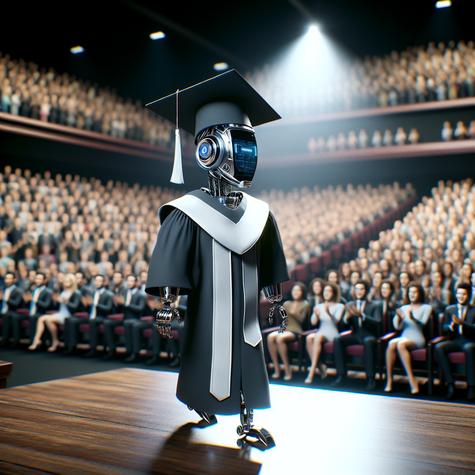
 In the era of rapid A.I. and technological advancement, it’s important to select a college major and classes that will help in future-proofing oneself from being replaced. Here are some college majors and classes to consider:
1. Computer Science: Since A.I. and automation are part of the computer science field, understanding how they work will put you in a better position. It includes skills like coding, machine learning, software development and robotics. Fundamental classes would include programming languages, data structures & algorithms, and machine learning.
2. Data Science/Analytics: This can provide skills for understanding and interpreting complex data, which is a task yet too complicated for A.I. Key classes could include statistics, big data analytics, data visualization, and predictive modeling.
3. Robotics: A career in robotics could involve designing and maintaining robots, or performing research on improving robotic technologies. Classes to take include robotic systems, artificial intelligence, and sensors in robotics.
4. Bioinformatics/Biotechnology: These fields combine biology and technology, where the scope of tasks is often too complex for A.I. You’ll be studying things like genetic coding, molecular biology, and biostatistics.
5. Philosophy/Ethics: This area of study can offer a fresh perspective on technology’s impact on society and can help in the development of A.I. technologies. Critical thinking, moral philosophy, and philosophy of science are helpful classes.
6. Human Services/Care Professions: In professions like nursing, social work, therapy or education, the human touch and emotional intelligence required are far from being entirely replaced by A.I.
7. Communication: This encompasses media, journalism, and other forms of written and verbal communication, where a human perspective and creativity are crucial.
Trade jobs like electrician, plumber, or HVAC technician are less susceptible to A.I. for now, as they involve manual expertise and on-spot problem-solving that’s hard for machines to replicate. However, they are not immune to technological advancements.
Over the next 5 years, a college degree could provide a more comprehensive understanding and adaptability to new technologies. Nevertheless, it’s essential to consider individual interests, financial implications and long term industry trends while deciding between a vocation and a degree. It’s always beneficial to continue learning and upgrading one’s skill set in any profession to stay relevant in the face of rapid technological advancements.